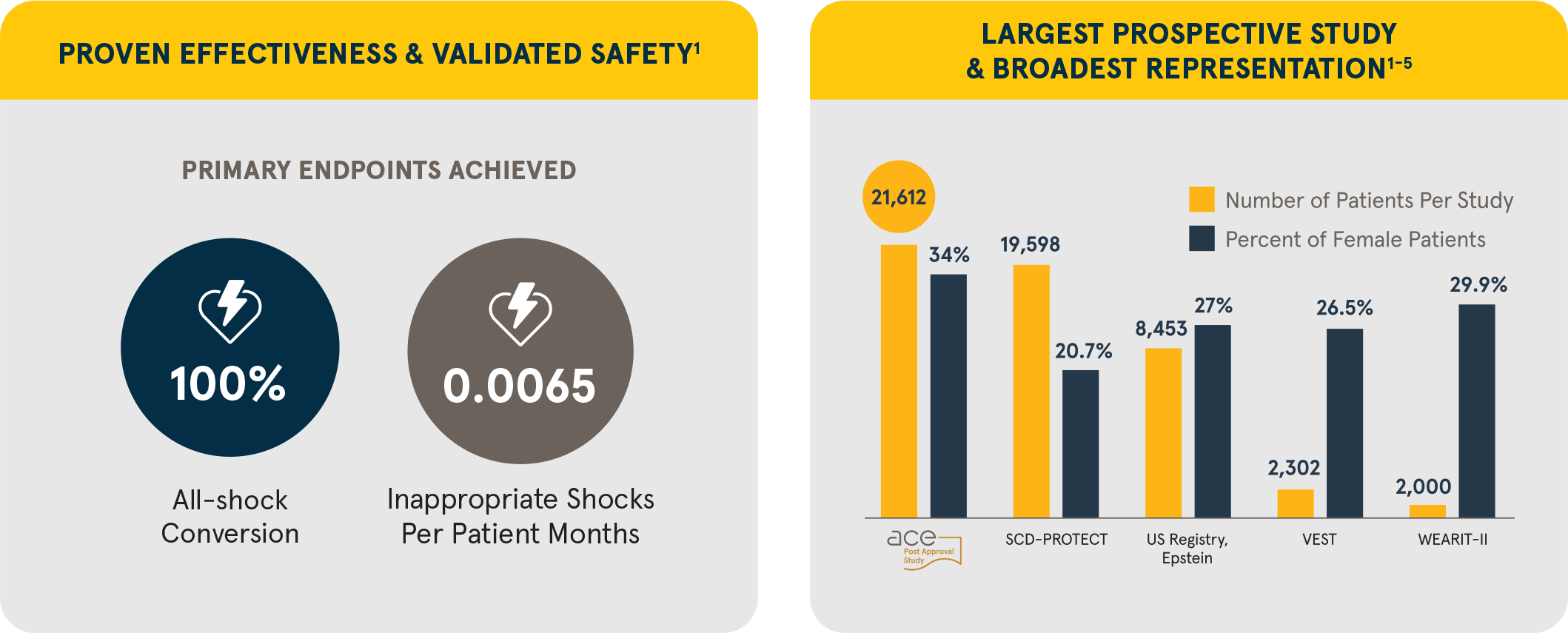
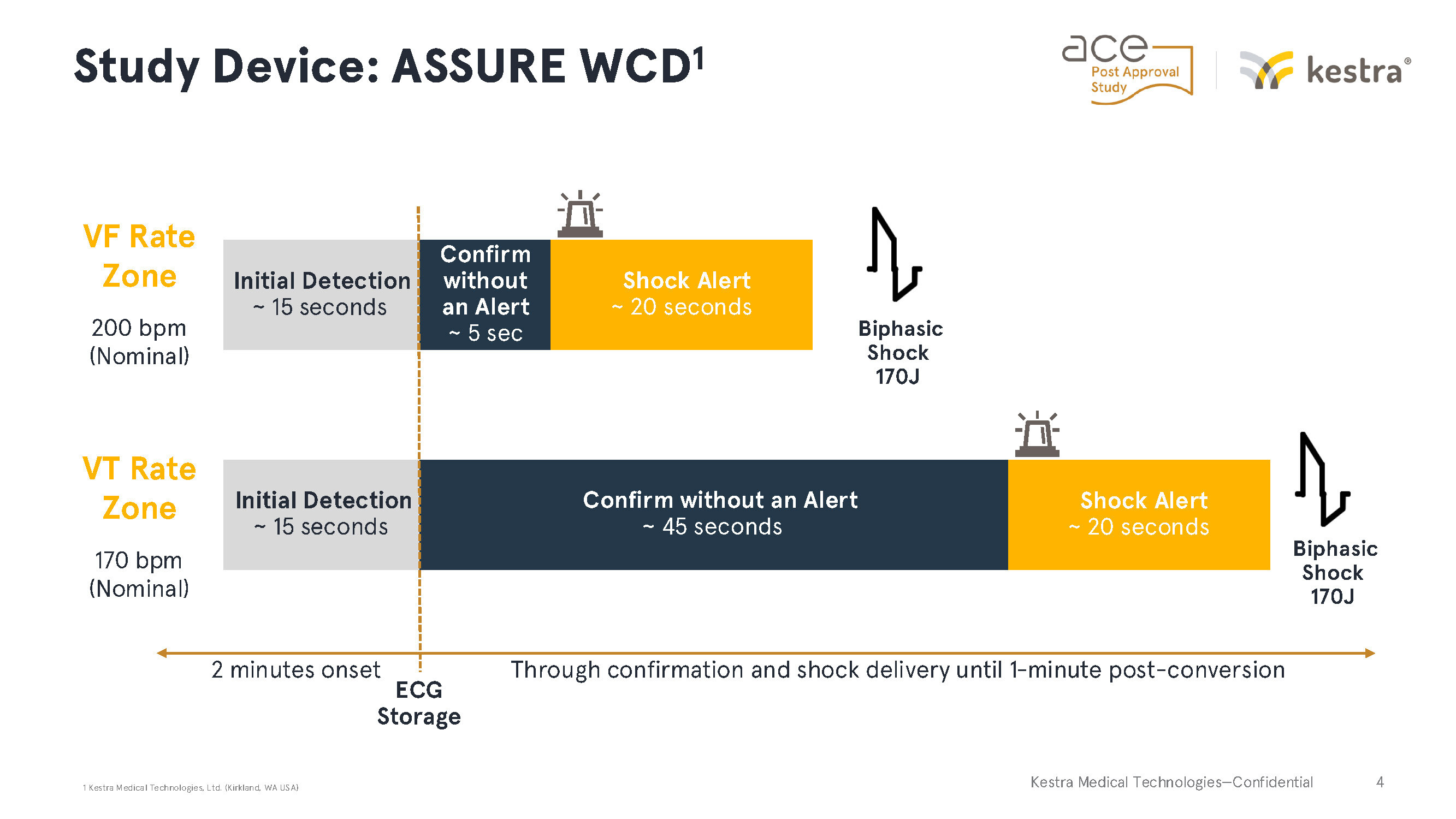
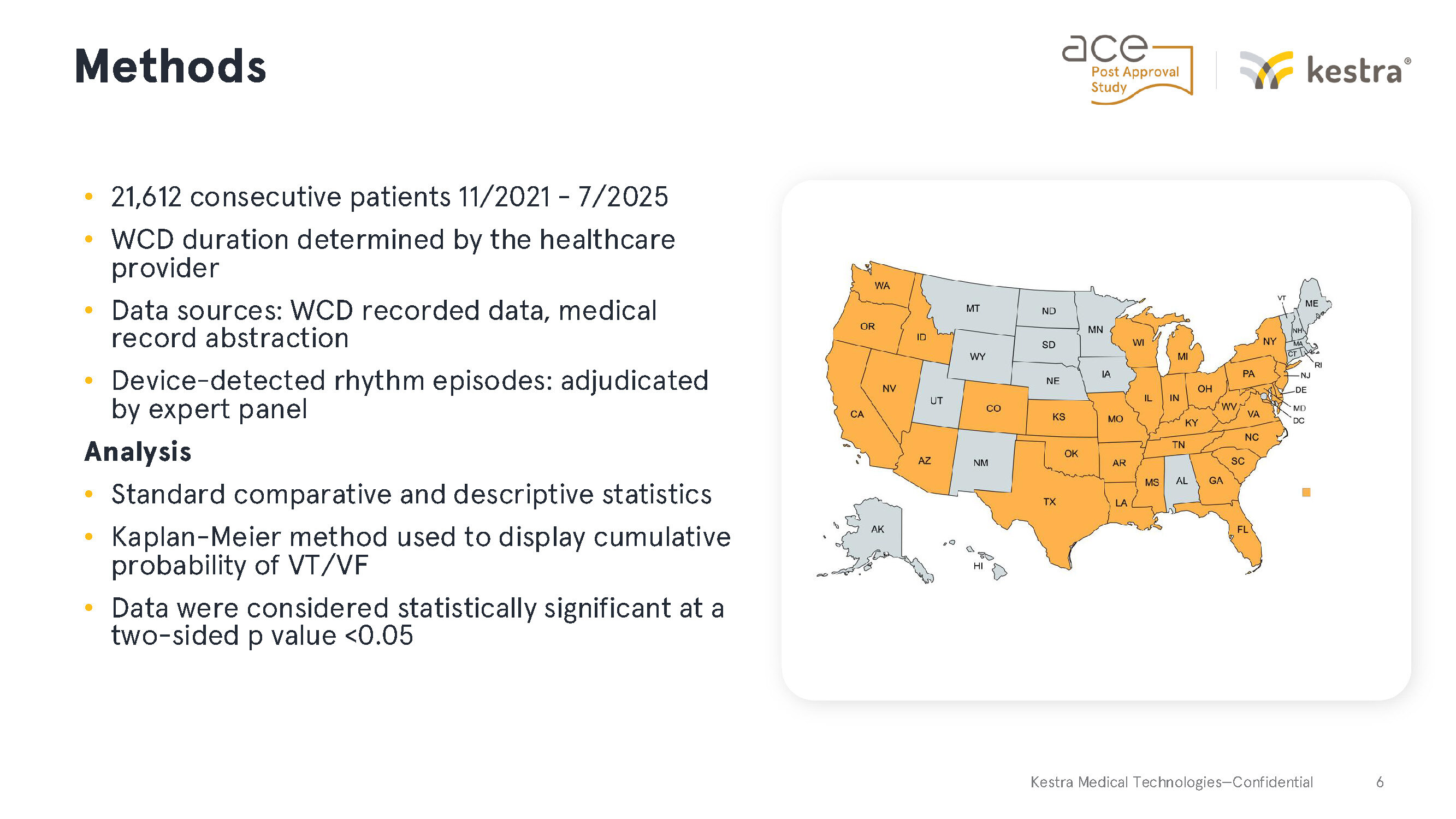
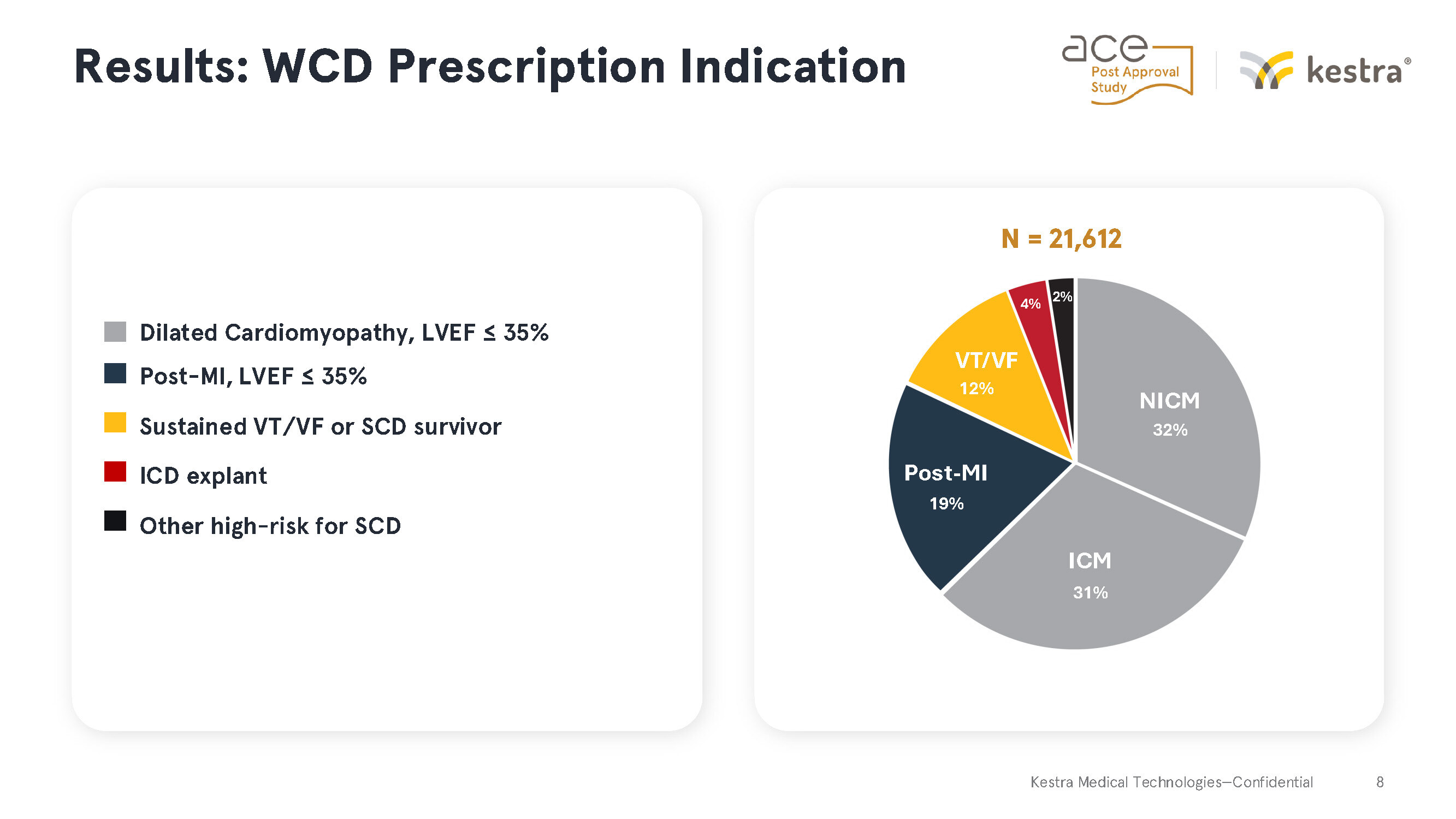
The ASSURE® system demonstrated safety and effectiveness based on findings presented during the Late-Breaking Science session at American Heart Association (AHA) 2025. These results are derived from the largest prospective, real‑world WCD study to date, reflecting the impact of the ASSURE WCD in improving patient care.1
The study
Insight
The study
Lorem Ipsum Dolor Sit Amet
Lorem ipsum dolor sit amet, consectetuer adipiscing elit. Donec odio. Quisque volutpat mattis eros. Nullam malesuada erat ut turpis. Suspendisse urna nibh, viverra non, semper.
Professor of Medicine Washington University in St. Louis
%
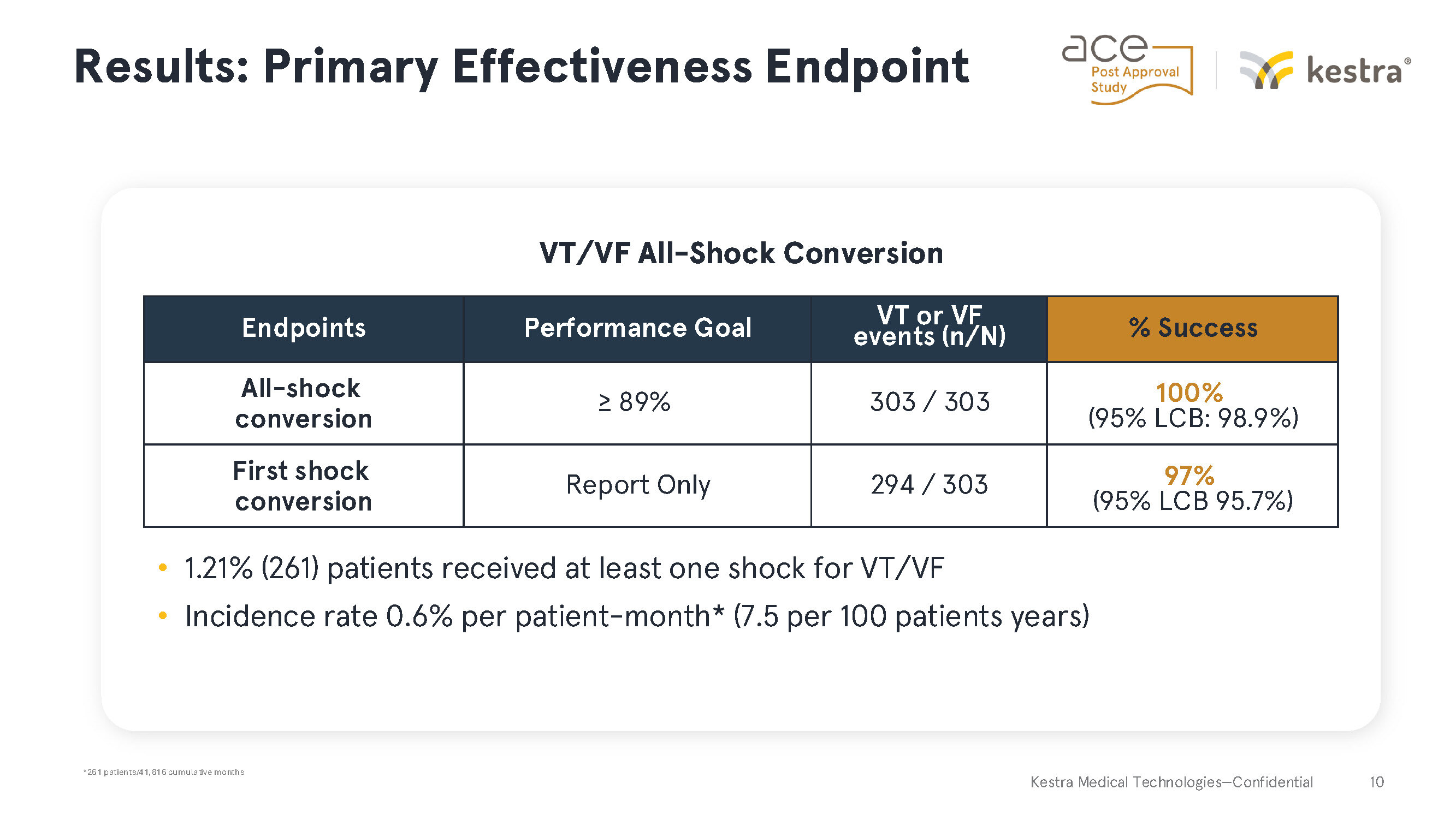
First-shock Conversion¹
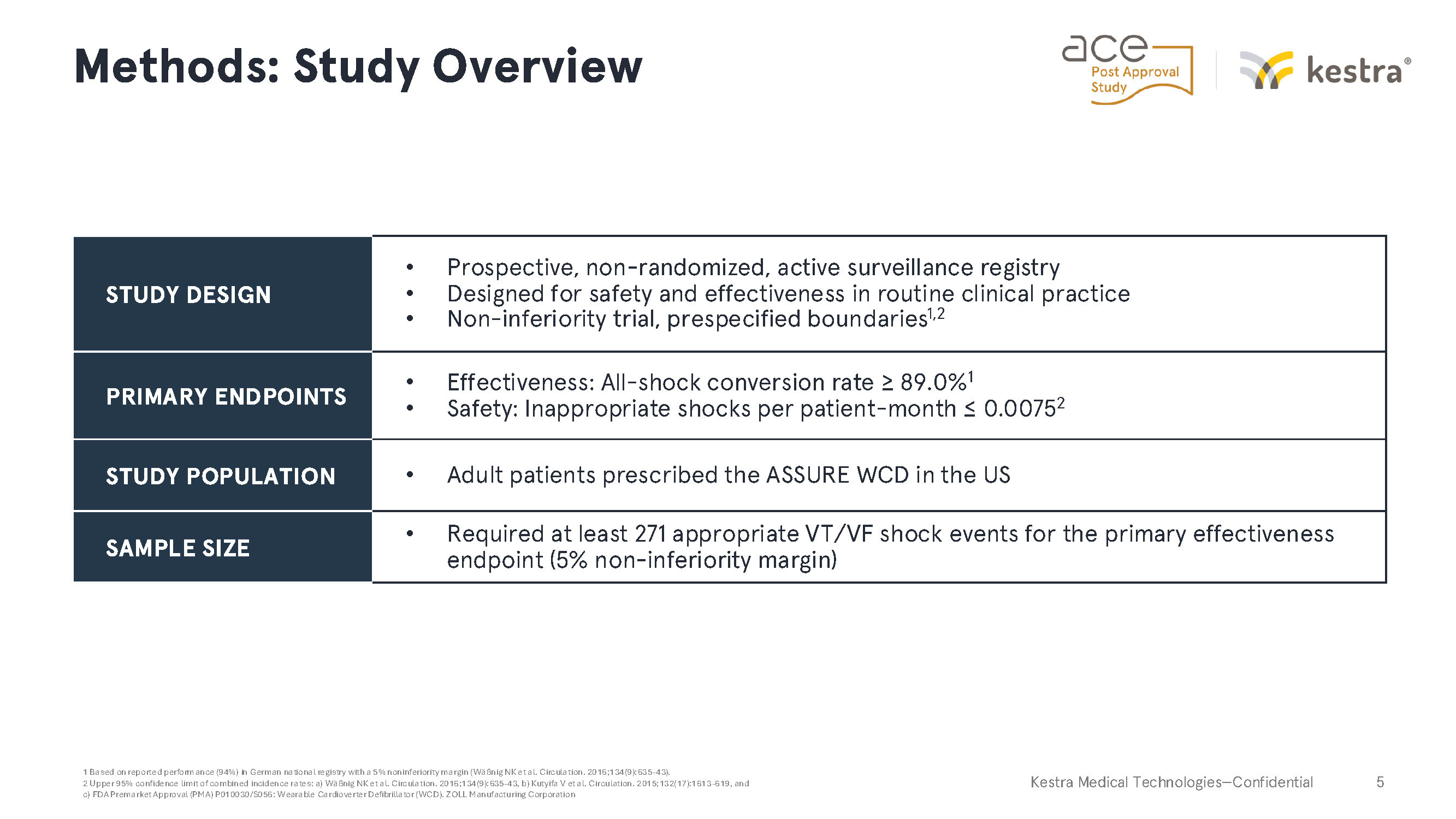
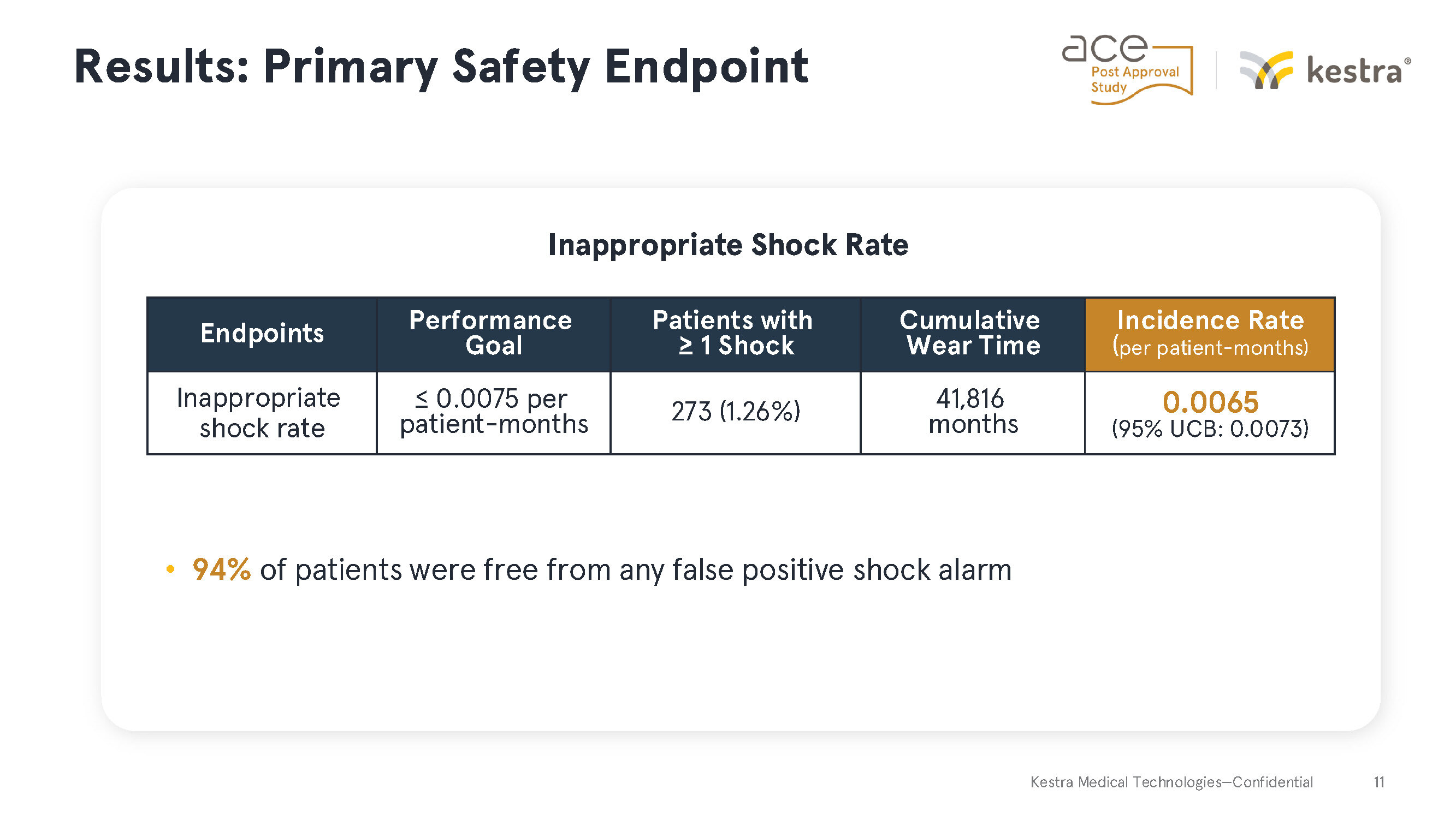
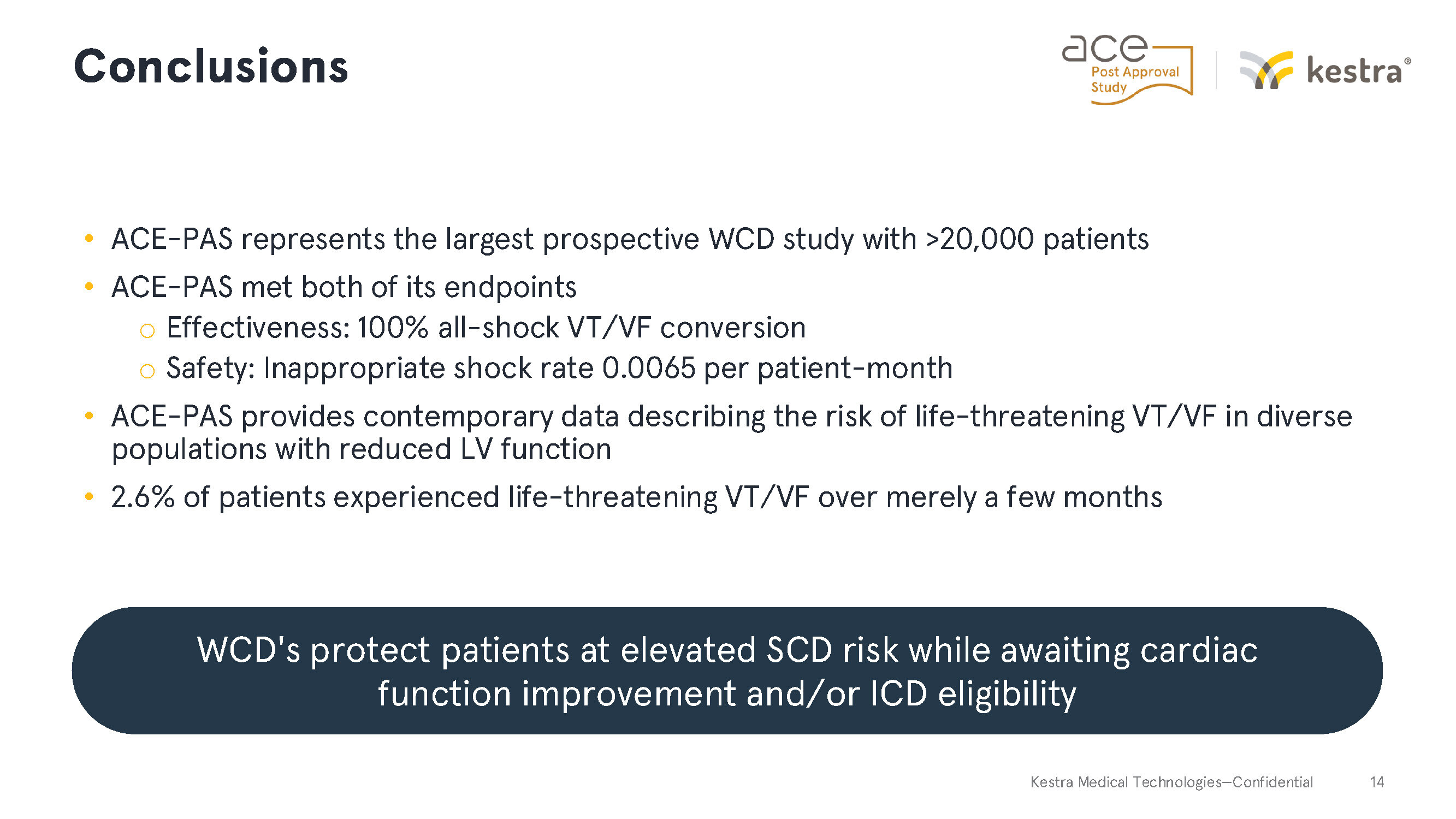
The primary endpoint performance criteria were established based on published data from another commercially available WCD. The study met these criteria, demonstrating non‑inferiority in both safety and effectiveness.
%
of patients who experience sudden cardiac arrest are women⁶
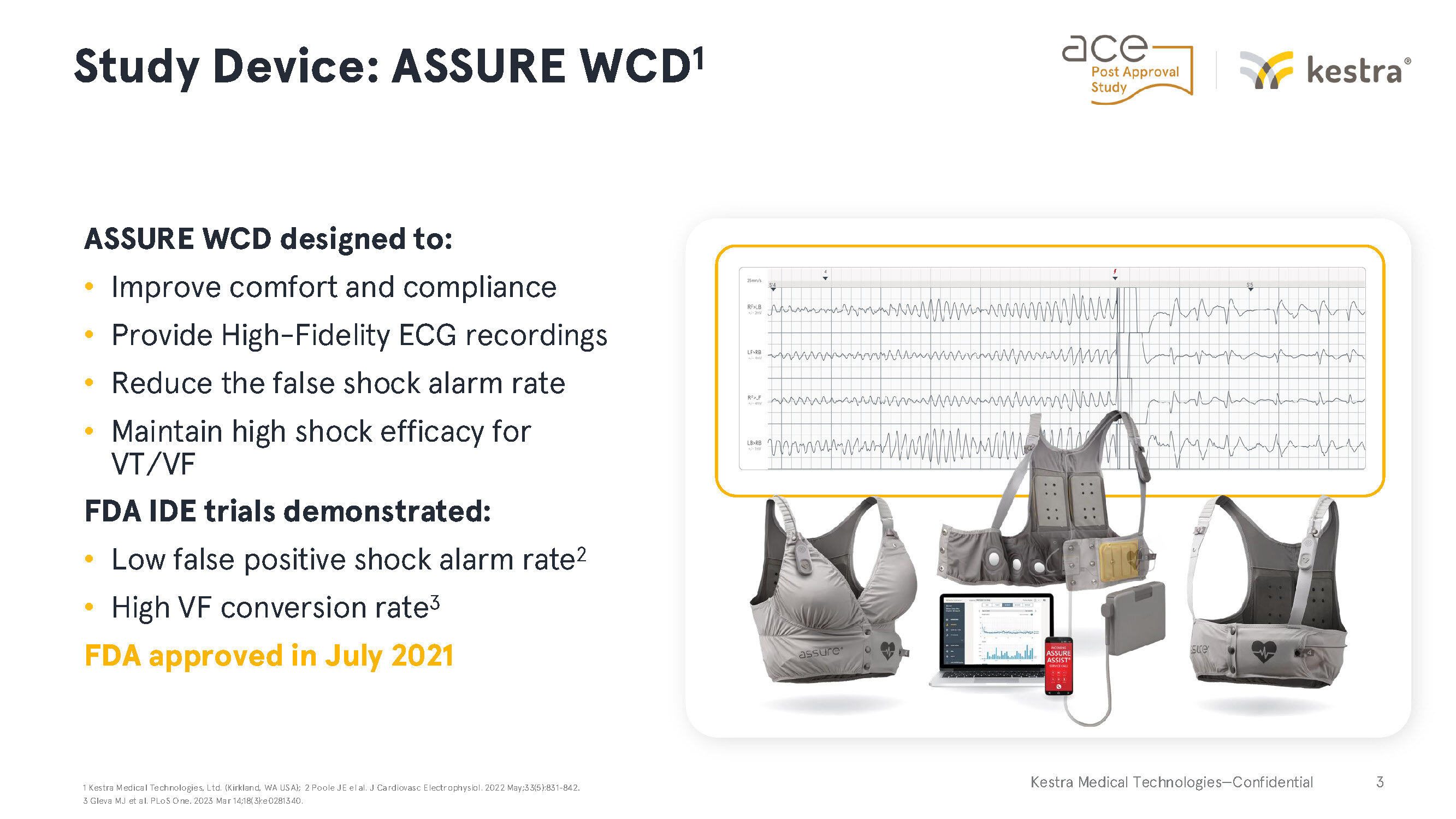
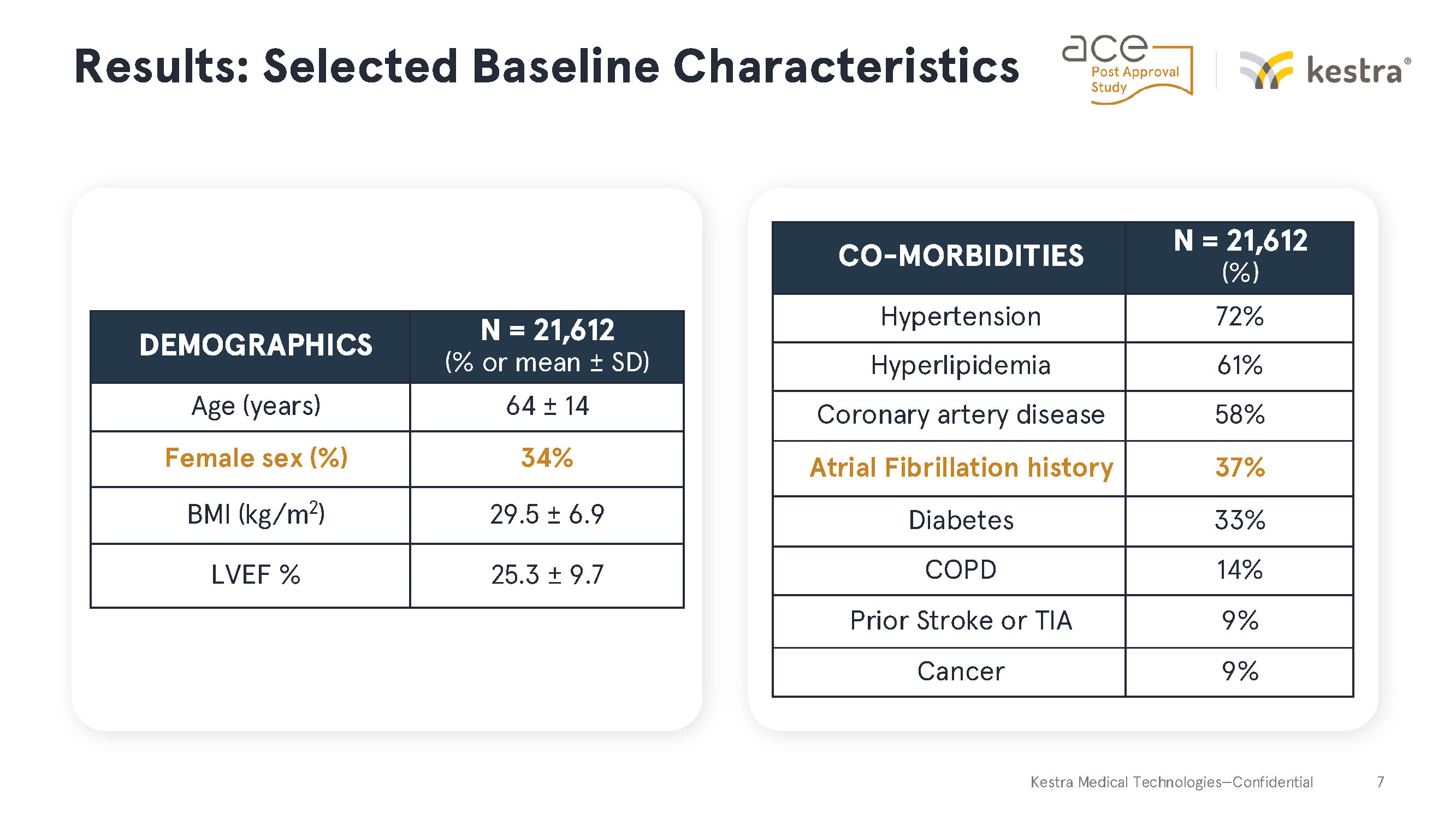
ACE-PAS had the highest female enrollment in any WCD registry, supported by the only garment specifically designed for female anatomy.
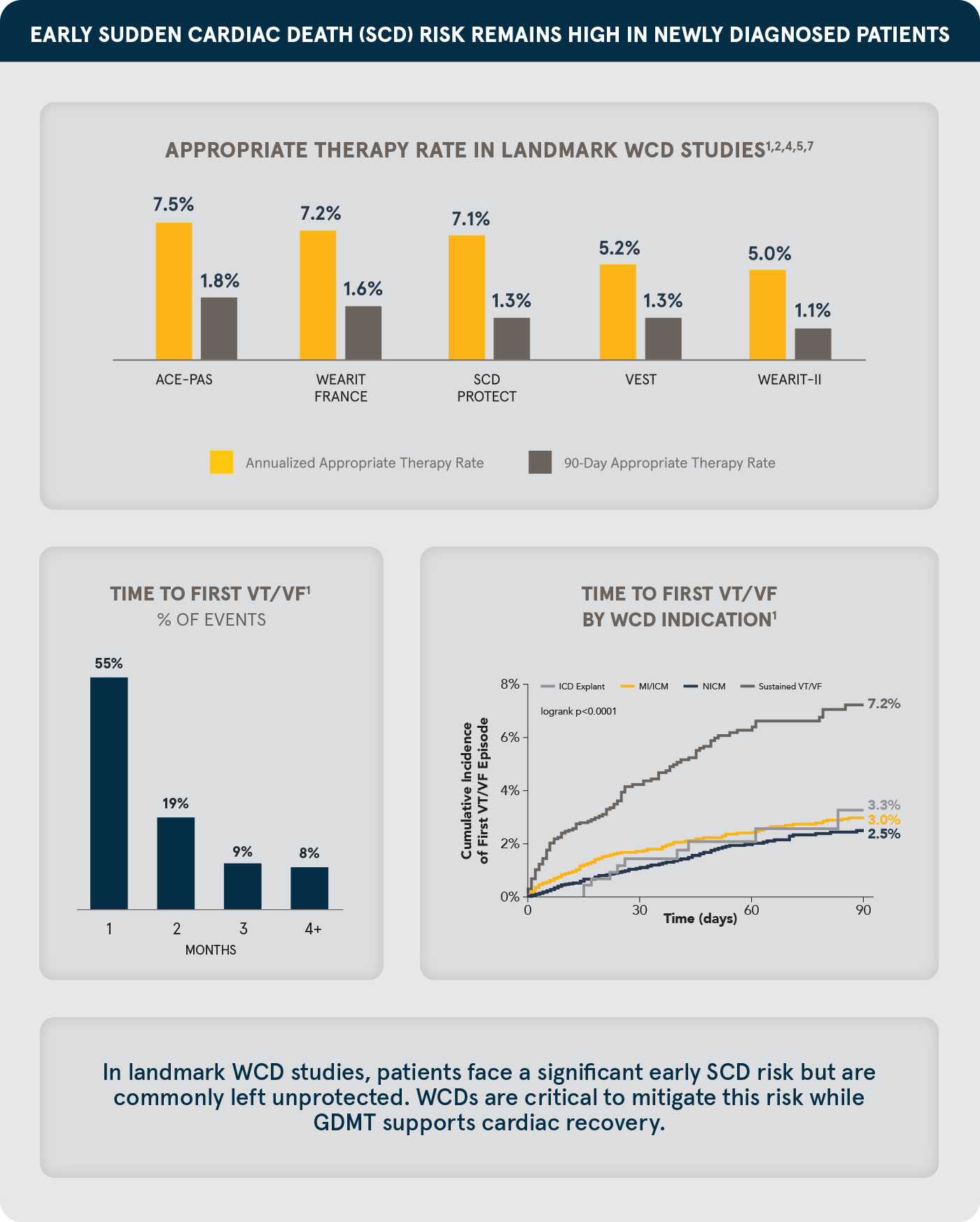
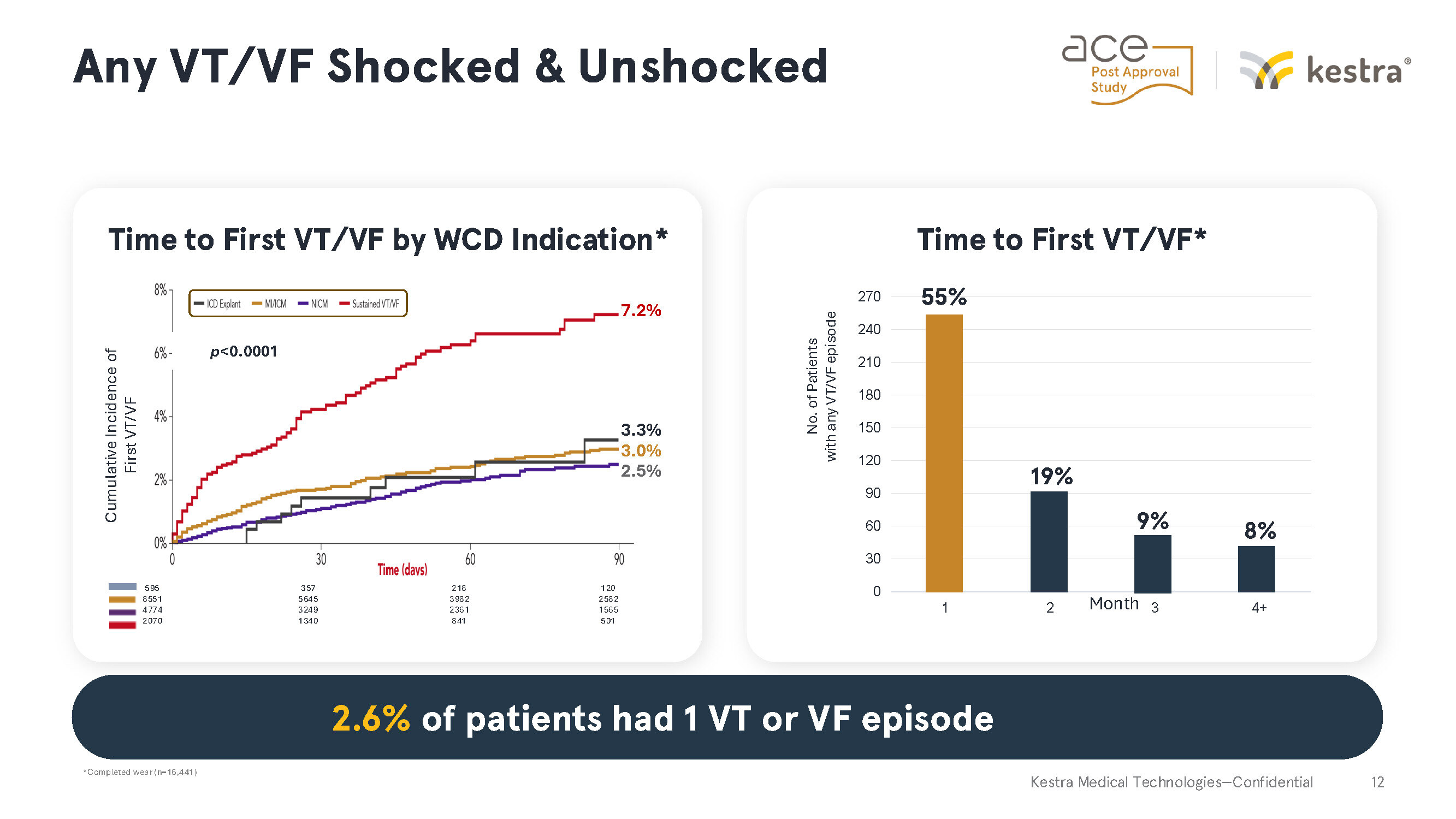
Early SCD Risk Remains High in Newly Diagnosed Patients
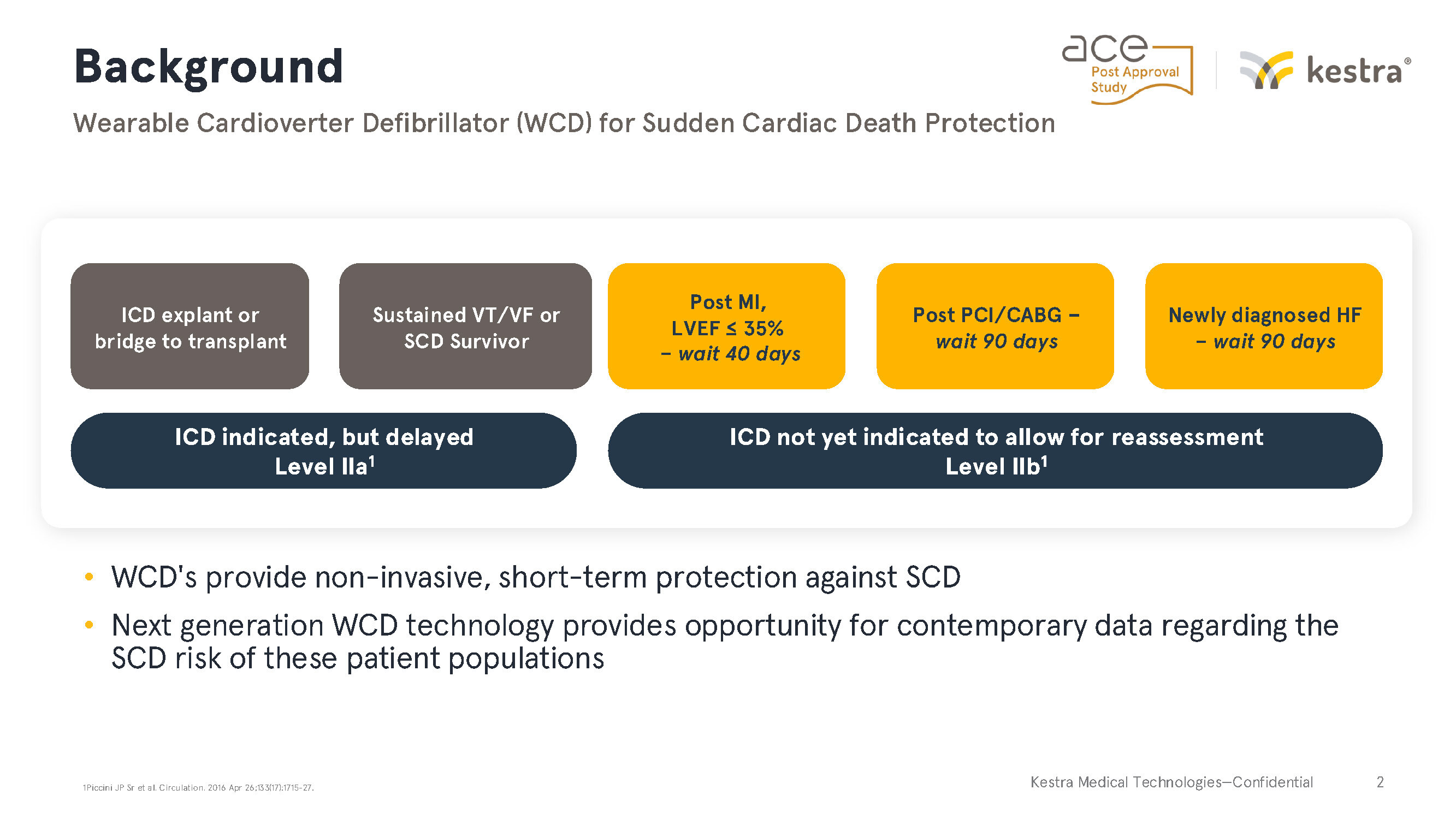
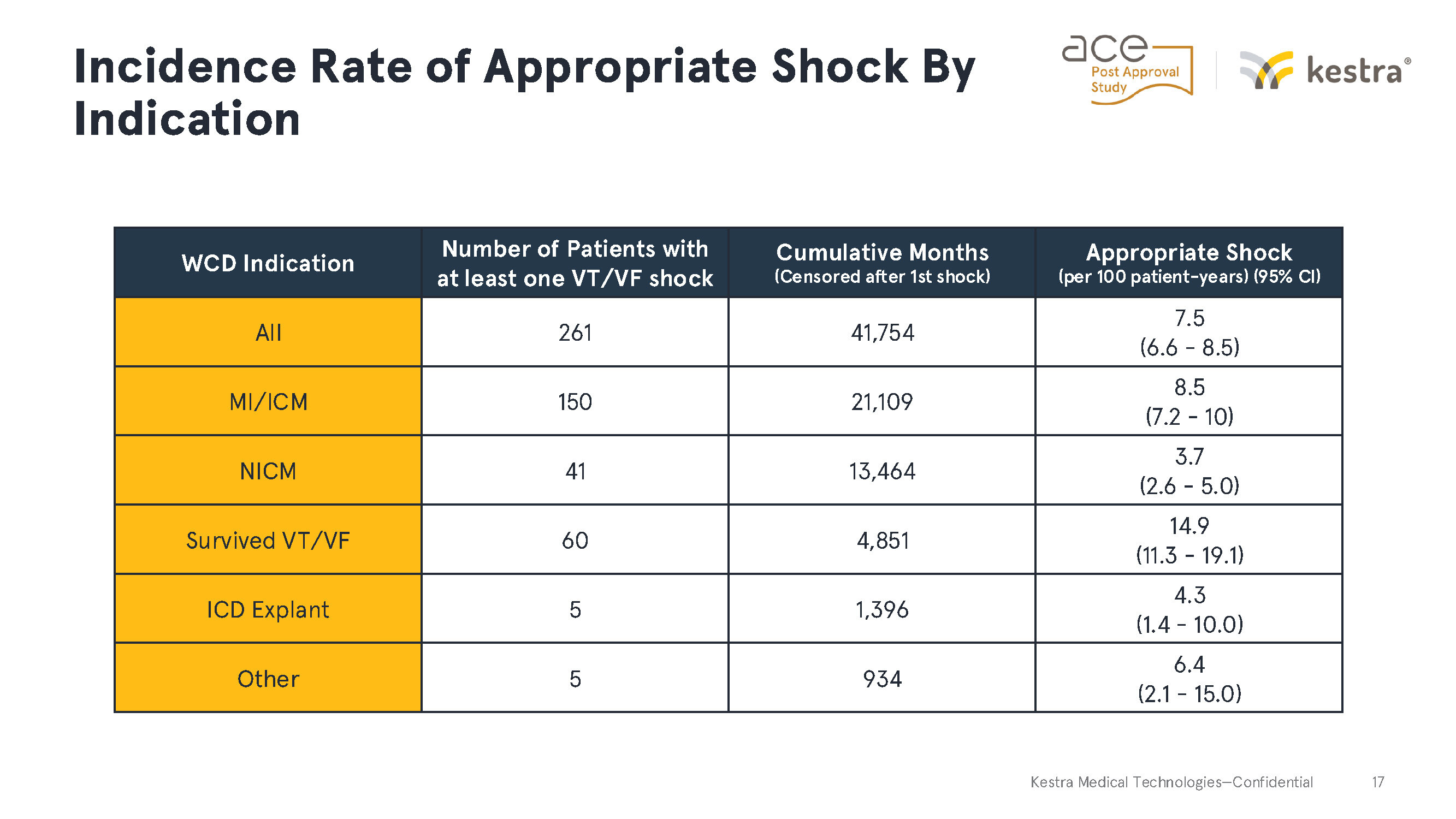
ACE-PAS confirms sudden cardiac death risk remains significant during the first 90 days for all indicated patient populations—the critical point when GDMT is being initiated and titrated.
The study
Insight
The study
Lorem Ipsum Dolor Sit Amet
Lorem ipsum dolor sit amet, consectetuer adipiscing elit. Donec odio. Quisque volutpat mattis eros. Nullam malesuada erat ut turpis. Suspendisse urna nibh, viverra non, semper.
Professor of Medicine Arizona State University School of Medicine and Advanced Medical Engineering
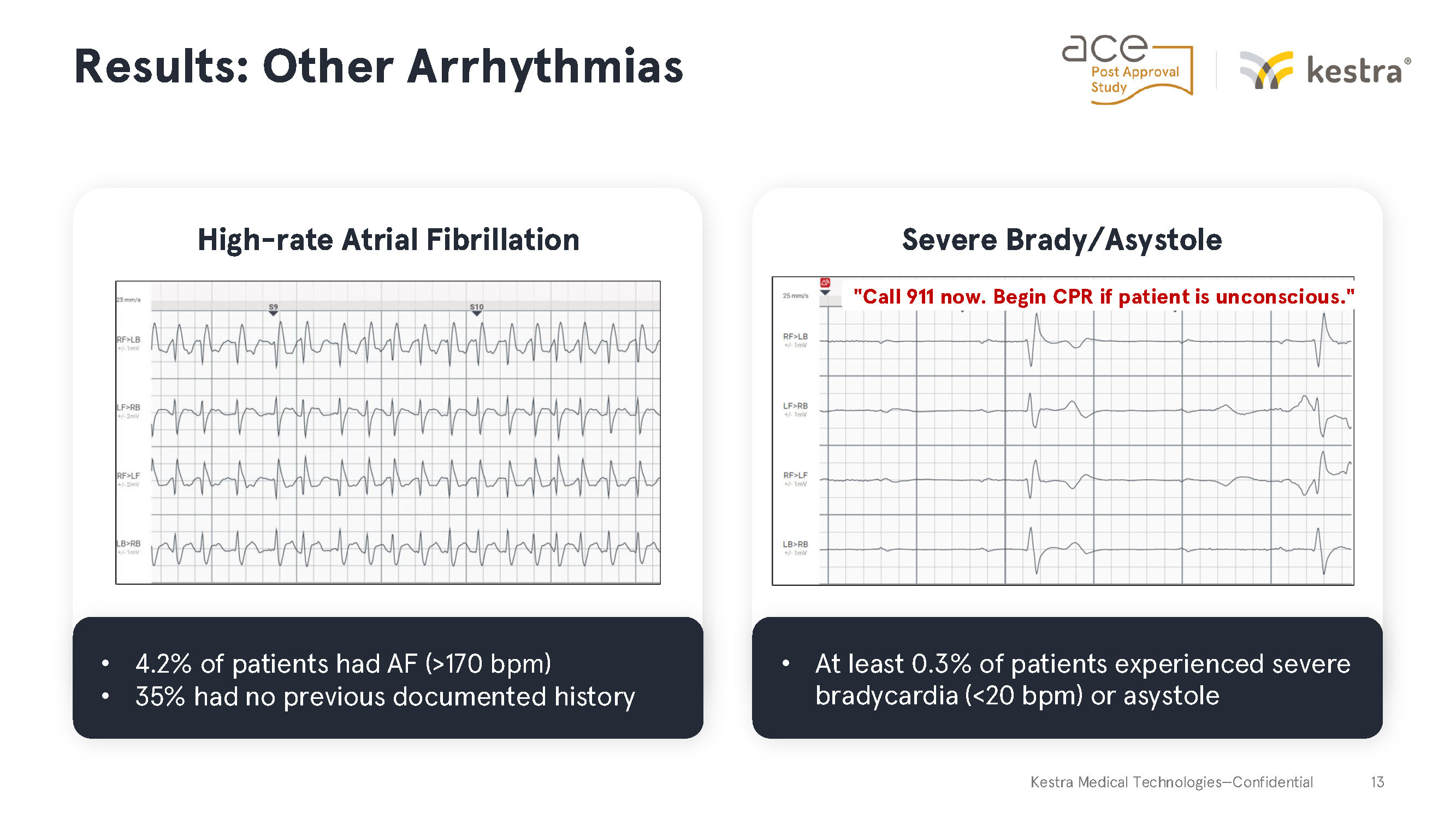
Value Beyond the Shock
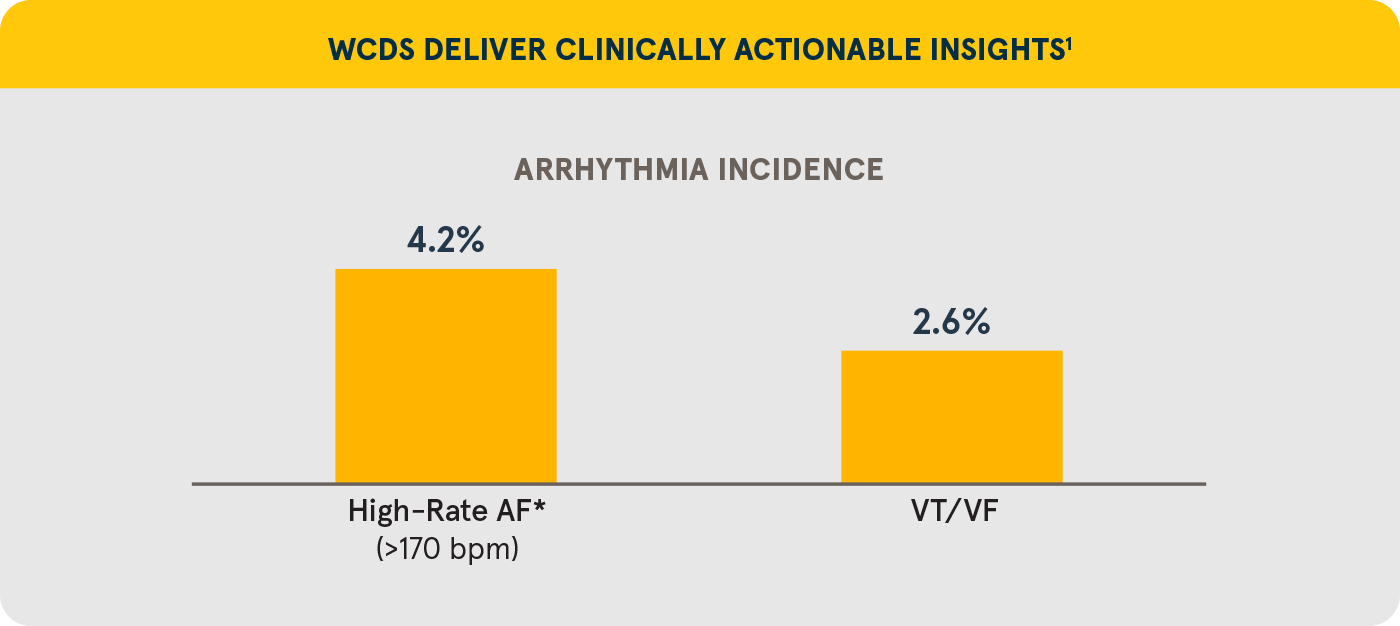
The ASSURE system delivers clinically actionable insights on other cardiac arrhythmias and physiological trends that help guide timely intervention.
The study
Insight #1
Insight #2
The study
Lorem Ipsum Dolor Sit Amet
Lorem ipsum dolor sit amet, consectetuer adipiscing elit. Donec odio. Quisque volutpat mattis eros. Nullam malesuada erat ut turpis. Suspendisse urna nibh, viverra non, semper.
Cardiac Electrophysiologist | Director of Regional Electrophysiology Cleveland Clinic Heart, Vascular, Thoracic Institute
Insight #2
MD, FACC, FHRS
Jeanne E. Poole
Cardiac Electrophysiologist | Director | Professor of Cardiology and Medicine University of Washington Medical Center and School of Medicine
%
of these high-rate AF episodes occurred in previously undiagnosed patients*¹
%
of patients who experienced VT or VF had events occur within the first 90 days¹
*Disclaimer: The ACE-PAS investigators did not adjudicate all SVT/AF episodes. Only SVT episodes that triggered a tachyarrhythmia detection were adjudicated for AF. More patients are likely to have experienced SVT/AF that wasn’t detected.
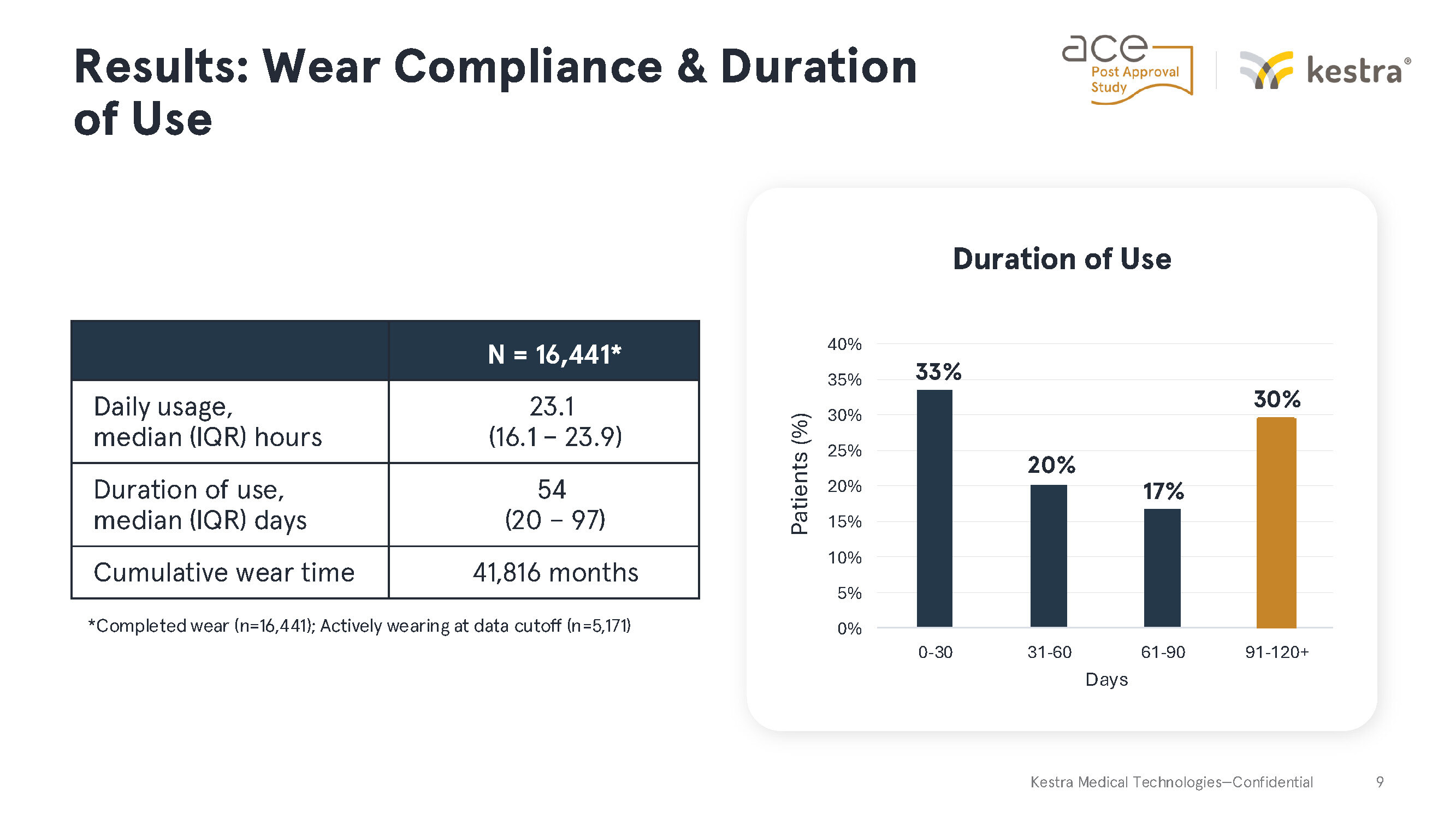
Best Patient Compliance in Any Prospective US WCD Study
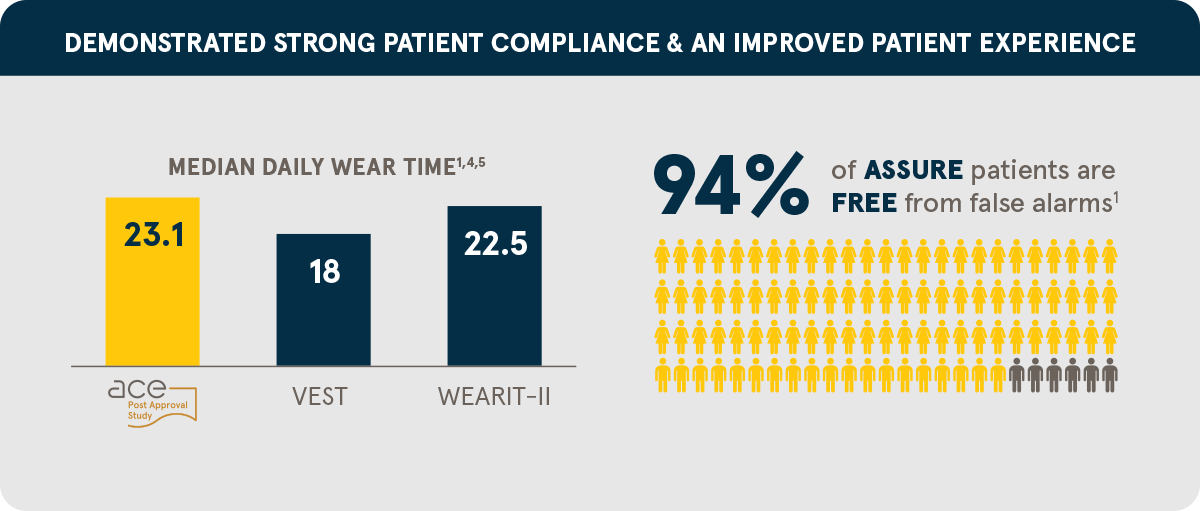
Patients wearing the ASSURE system demonstrated exceptional adherence and comfort, with a median daily wear time of 23.1 hours.1
The study
Insight
The study
Lorem Ipsum Dolor Sit Amet
Lorem ipsum dolor sit amet, consectetuer adipiscing elit. Donec odio. Quisque volutpat mattis eros. Nullam malesuada erat ut turpis. Suspendisse urna nibh, viverra non, semper.
Professor of Medicine Arizona State University School of Medicine and Advanced Medical Engineering
%
of patients wore the device for longer than 90 days, demonstrating effective protection for extended therapy optimization¹
%
fewer patients experience false alarms compared to other WCDs*¹˒⁸
*Disclaimer: A controlled, head-to-head study evaluating the comparative performance of these devices has not been done.
Advancing SCA Risk Management
Insights from ACE-PAS
In this on-demand panel discussion hosted by MedAxiom, leading investigators and clinical experts review the study’s design and outcomes and share their perspectives on how ACE-PAS may help inform care decisions for patients at elevated risk of SCA.
A Deep Dive into the Data
Review the Findings
Session Materials
ACE-PAS Resources
These resources serve as a centralized archive of the ACE-PAS research findings. Available are the recorded briefing, the associated slide deck, and a flyer for review.
Explore ACE-PAS Findings
An overview of the primary findings from ACE-PAS evaluating real‑world ASSURE WCD performance.